UPS Buyout Program Continues — What It Could Mean for North Atlanta’s Workforce
Get major local stories and development updates.
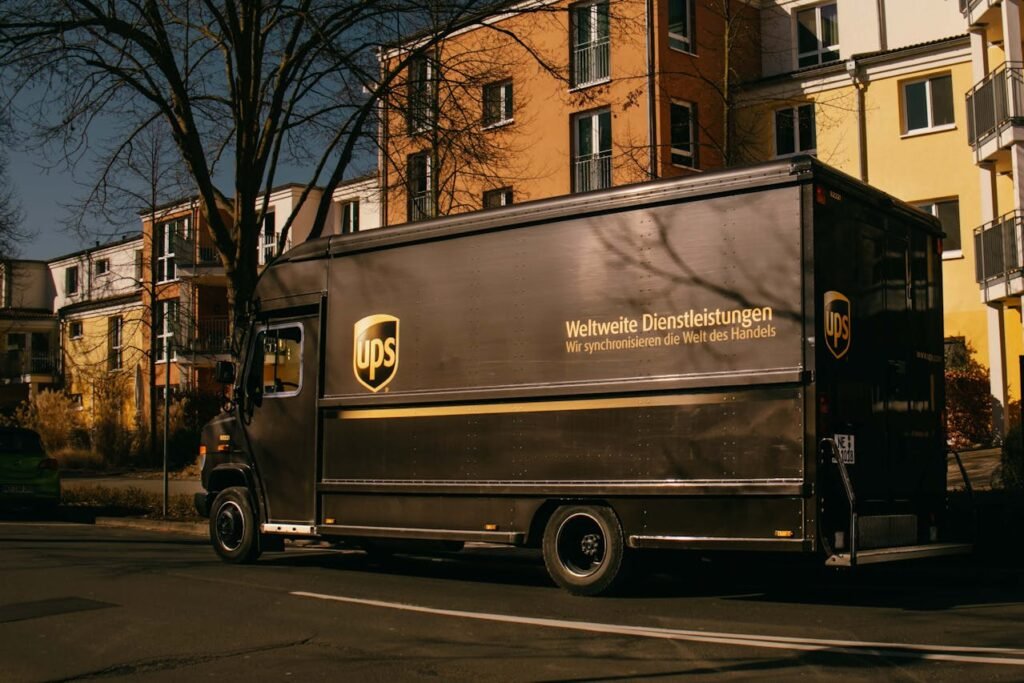
A familiar sight along neighborhood streets — the brown delivery truck pulling up curbside — has become part of the daily rhythm of life in places like Johns Creek, Alpharetta, and Cumming. Now, changes at United Parcel Service could quietly reshape that rhythm.
The Atlanta-based logistics giant is continuing a nationwide program offering drivers significant buyouts — in some cases up to $150,000 — to voluntarily leave their positions. The move comes as the company looks to reduce its workforce by tens of thousands of jobs over the coming year, while increasing automation across its network.
A National Shift With Local Ripples
Although the program has been scaled back in parts of the Midwest following union challenges, UPS is moving forward in other regions, including Georgia. That places the issue close to home for many families across North Fulton and South Forsyth, where logistics and distribution jobs are a steady source of middle-income employment.
For suburban communities, the impact is often less visible than in major warehouse hubs — but no less significant. Many UPS drivers serving North Atlanta routes live in the same neighborhoods they deliver to, creating a workforce that is deeply embedded in the local economy.
A reduction in driver roles, even gradual, could shift household income patterns and alter employment stability for families who rely on these positions.
The Union Pushback
The program has drawn strong opposition from the International Brotherhood of Teamsters, which represents many UPS drivers nationwide. Union leadership argues that the buyouts may conflict with existing labor agreements and could undermine long-term job security.
UPS, for its part, maintains that participation is voluntary and that the program has been well received among eligible employees. The company continues to engage with union representatives as disputes move through legal and arbitration channels.
The tension reflects a broader national conversation about how large employers balance cost efficiency, automation, and workforce commitments — especially in industries that have traditionally provided stable, long-term careers.
Automation and the Suburban Economy
Behind the buyout program is a larger structural shift. Like many logistics companies, UPS is investing heavily in automation, from sorting facilities to route optimization systems. These changes aim to reduce costs and increase efficiency in a sector shaped by e-commerce demand and rising delivery volumes.
For North Atlanta suburbs, where growth has been closely tied to convenience, accessibility, and service infrastructure, this transition raises a quieter question: what happens when the jobs supporting that system begin to change?
Communities along the GA-400 corridor have seen rapid development in retail, housing, and mixed-use centers. Much of that growth depends on reliable logistics networks — and the workers behind them.
Update (April 6, 7:46 PM): A National Agreement Reshapes the Program
A newly reached national agreement places a cap of 7,500 buyouts across the country and introduces a structured, seniority-based approval process.
The agreement also includes a significant tradeoff: UPS has committed to creating 30,000 new permanent roles over the life of the current labor contract, including a mix of full-time and hybrid positions designed to reflect the company’s increasingly automated operations.
For workers, this changes the nature of the program. The buyouts are no longer an open-ended reduction, but part of a negotiated transition — one that gradually reshapes the workforce rather than rapidly shrinking it.
At the same time, the types of jobs being created may differ from the traditional driver roles they replace, pointing to a longer-term shift in how logistics work is structured.
A Transition Worth Watching
For now, the UPS program remains voluntary and more tightly structured following a recent national agreement, and its long-term impact will unfold gradually. But for residents across North Fulton and South Forsyth, it represents another example of how national economic shifts reach into suburban life — not through headlines alone, but through everyday work, income, and routine.
The brown trucks will still arrive. The question is who will be behind the wheel in the years ahead.
Read Also:
About the Author


Good Friend Mortgage
Good Friend Mortgage has spent 21 years turning hopes into homes. With unmatched service, expert guidance, and a dedication to your future, we make...
Notice an update, correction, or detail we should include? Tell the editor. Seen something new around you? Send us a local tip.

Most Popular
 Siemens’ Alpharetta Rail Operation Is Hiring From $20 an Hour to $95,000 a YearBusiness & Development
 Barnes & Noble Is Opening Bookstores Again — and the Sun Belt Is Helping Drive the ComebackBusiness & Development