Atlanta Is Rebuilding Affordable Housing. North Atlanta Faces a Different Test
Atlanta is renewing Bowen Homes with mixed-income housing while North Atlanta suburbs face soft but growing affordability pressures in their communities.
Get major local stories and development updates.
Atlanta is turning one of its most famous former public housing sites into a new mixed-income neighborhood. Bowen Homes, a historic 74-acre site in northwest Atlanta, was once the city’s last major family public housing project before it was demolished in 2009. Now, the land is being redeveloped into a modern mixed-income community, with apartments, townhomes, single-family houses and neighborhood amenities planned over multiple phases.
In North Atlanta, the housing question looks very different, but it is becoming harder to ignore.
There are no Bowen Homes in Johns Creek, Alpharetta, Milton or South Forsyth. There are no vast public housing campuses waiting to be rebuilt into thousands of apartments, townhomes and single-family houses. The suburban challenge is quieter, more scattered and often more politically delicate. It shows up in townhome debates, luxury apartment projects, aging retail centers, long commutes, young adults leaving the communities where they grew up, and workers who serve North Atlanta but cannot easily live here.
That makes Atlanta’s Bowen Homes redevelopment worth watching from the suburbs. Not because North Fulton or South Forsyth will copy it, but because it raises a question every growing community eventually has to answer: who gets to live near the jobs, schools, parks, stores and services that make a place desirable?
Atlanta’s Big Experiment
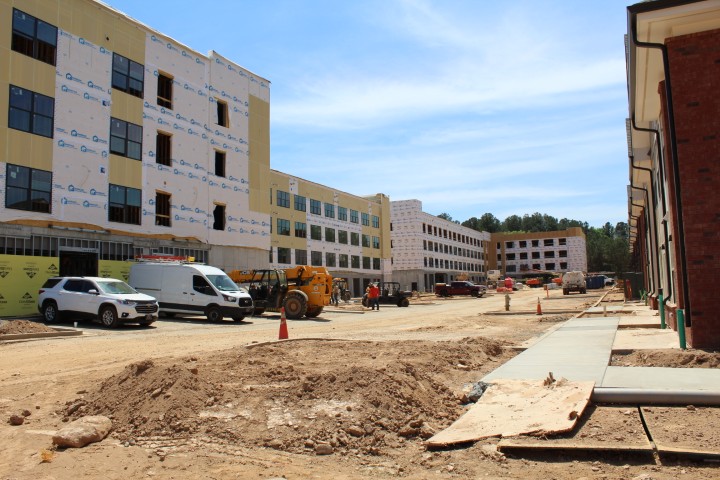
The former Bowen Homes site in northwest Atlanta is being remade into one of the city’s most ambitious housing redevelopments. The Atlanta Journal-Constitution recently reported that the project is expected to eventually include about 2,000 apartments, townhomes and single-family houses, with a mix of subsidized and market-rate options. The first phase is expected to include 151 units, and later phases are planned to add more housing, green space, retail and homeownership opportunities.
It is a very Atlanta story. Bowen Homes was once part of the city’s old public housing model, a system that concentrated poverty in isolated residential complexes. The new version is built around the mixed-income idea that Atlanta helped popularize nationally: affordable and market-rate homes in the same community, rather than separating households by income.
That model is not simple. It requires land, public financing, private development partners, federal support and years of coordination. It also carries the history of displacement, demolition and promises made to former residents. But at its core, the Bowen Homes redevelopment reflects a major civic decision: housing affordability is not being left entirely to the private market.
North Atlanta has made no comparable decision.
The Suburban Version of the Problem
In North Fulton and South Forsyth, affordability rarely arrives as a single dramatic story. There is no one site that defines the issue. Instead, the pressure builds across ordinary suburban life.
A divorced parent may want to stay near a child’s school but struggle to find a smaller, attainable place to rent or buy. A retiree may want to downsize without leaving the community, only to find that many new options are priced as luxury products.
This is not the old urban public housing debate. It is the suburban middle-market problem. North Atlanta has plenty of high-income demand. It has strong schools, medical jobs, office corridors, shopping centers, parks and relative safety. Those strengths attract growth. But the same strengths can also price out the very mix of residents that keeps a community balanced.
Regional data suggests this is no longer a niche concern. Housing affordability ranked as metro Atlanta’s top concern in the Atlanta Regional Commission’s 2025 Metro Atlanta Speaks survey. Nearly two-thirds of respondents said they could not afford to move to another house or apartment in their current neighborhood. That number should feel familiar in North Atlanta, where many communities are proud of their quality of life but increasingly difficult to enter without a high income or substantial home equity.
Mixed-Use Growth Is Not the Same as Mixed-Income Growth
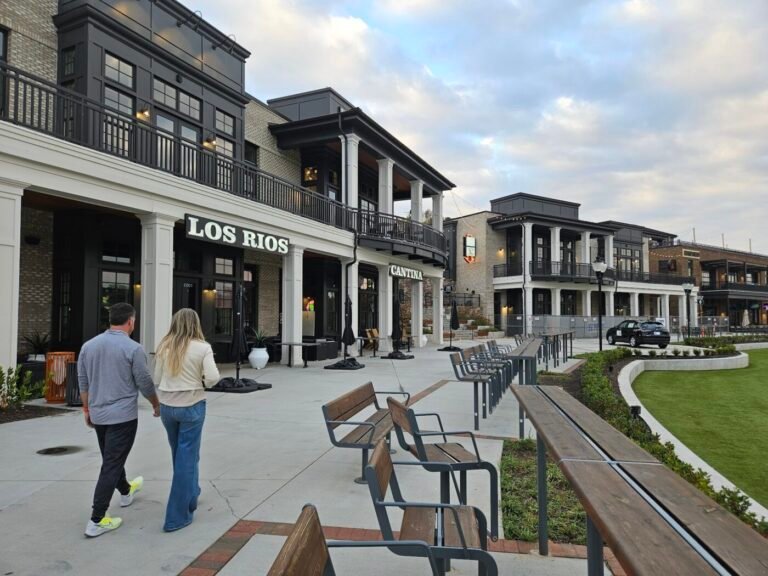
Johns Creek offers one of the clearest examples of the suburban shift. Medley, the 43-acre mixed-use development in the Johns Creek Town Center area, is bringing retail, restaurants, entertainment, office space, a boutique hotel, multifamily housing, townhomes and a large public plaza to the corner of McGinnis Ferry Road and Johns Creek Parkway. It is a major step in the city’s effort to create a more walkable civic and commercial center.
That matters. For years, Johns Creek has been known more for subdivisions, schools, medical offices and commuter corridors than for a true downtown. Medley represents a different kind of suburban development: denser, more social, more walkable and more connected to public space.
But mixed-use is not automatically mixed-income. A development can include apartments, restaurants, offices and a plaza and still serve mostly affluent households. That is not a criticism of one project. It is a broader market reality. New construction in desirable suburbs is expensive to build, finance and lease. Without policy choices, incentives or negotiated affordability components, the market will usually produce housing for those who can already afford the area.
That is the distinction North Atlanta needs to understand. A town center can improve civic life and still leave the workforce-housing question unresolved.
Alpharetta and South Forsyth Are Planning for Growth
Alpharetta is updating its comprehensive plan through 2045, a process meant to guide land use, housing, transportation, economic development and quality of life. Forsyth County’s comprehensive plan serves a similar role, shaping future growth and development decisions in one of Georgia’s most closely watched suburban counties.
These planning efforts will influence where new housing is allowed, what type of housing is encouraged, how redevelopment happens and whether communities make room for more than one price point.
In Alpharetta, the question is especially important around older commercial corridors, North Point-area redevelopment, downtown pressure and the balance between corporate growth and residential access. The city has already shown that it can create highly desirable places. The harder question is whether future growth will include homes for people who are not already at the top of the income ladder.
In South Forsyth, the question is tied to scale and speed. The area around GA-400, McGinnis Ferry, Halcyon, The Gathering discussions and expanding commercial nodes is becoming more urban in function even while much of the county still thinks of itself in suburban terms. Housing pressure there is not just about adding rooftops. It is about whether the county can support long-term economic growth without pushing everyday workers and younger households farther outward.
What North Atlanta Can Learn Without Copying Atlanta
The lesson from Bowen Homes is not that Johns Creek or Alpharetta need old-style public housing. That is not the local context, and it is not where the conversation is likely to go.
The lesson is that housing outcomes are shaped by public choices. Atlanta is using public land, financing tools and development partnerships to create a new mixed-income neighborhood. North Atlanta’s tools will probably look different. They may include redevelopment incentives, senior housing, townhomes in carefully chosen locations, smaller rental units near jobs, adaptive reuse of aging retail land, accessory dwelling discussions, or negotiated affordability in larger mixed-use projects.
None of that means abandoning suburban character. It means defining suburban character more honestly.
A community is not only its large homes, top schools and polished shopping centers. It is also the people who work in those schools, staff those restaurants, care for older residents, repair homes, serve at medical offices, run small businesses and raise families at different income levels. If those people cannot live anywhere nearby, the community becomes more exclusive, more commuter-dependent and less resilient.
That is the quiet risk for North Atlanta.
If this felt close to home, these stories may be worth your time too.
About the Author


In North Atlanta
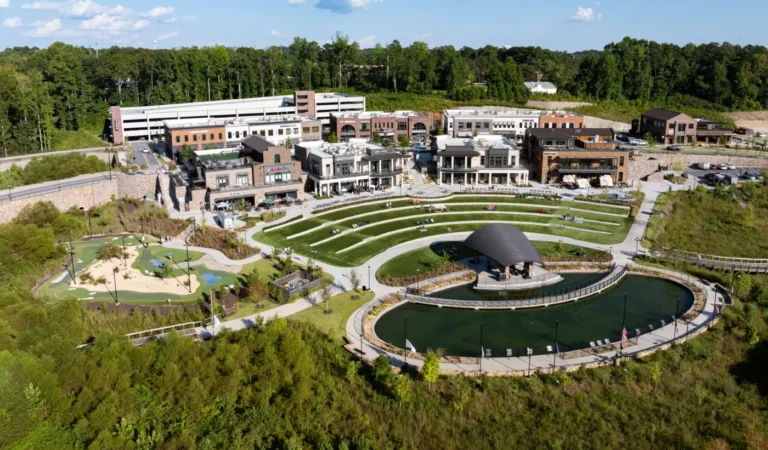
North Atlanta Added 11,000 Residents, but the Growth Is Concentrated in Three Cities

Is the SAT Still Worth Taking? Georgia’s Admissions Rules Have Changed

North Atlanta’s New School Phone Rules: What Parents Need to Know This Fall

Is Soccer Taking Over North Atlanta? The Numbers Say Something Is Changing

Roswell Approves Champions Place Expansion for Adults With Physical Disabilities
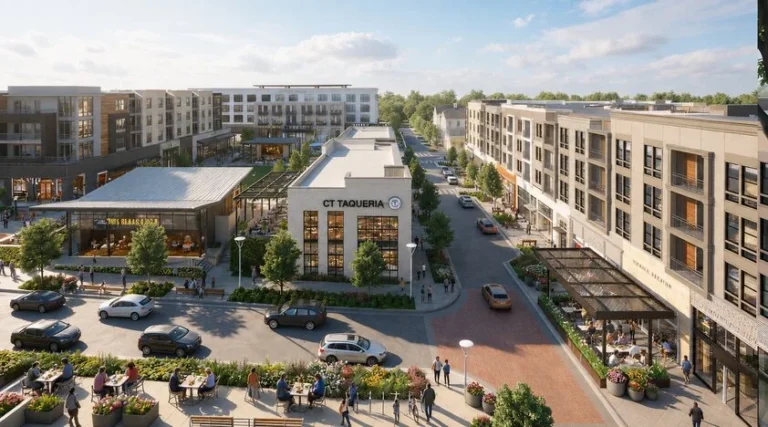
Medley Opens First Access to 133 Townhomes in Johns Creek
IN NORTH ATLANTA