Driverless Doritos Trucks Are Now About 550 Miles From Here
PepsiCo is using driverless trucks to deliver products on set routes in Arizona, Texas, and Arkansas. Arkansas is about 550 miles from North Atlanta, showing this technology is moving closer to home.
Get major local stories and development updates.
The driverless delivery truck is no longer a Silicon Valley promise or a trade-show demo. It is already hauling chips.
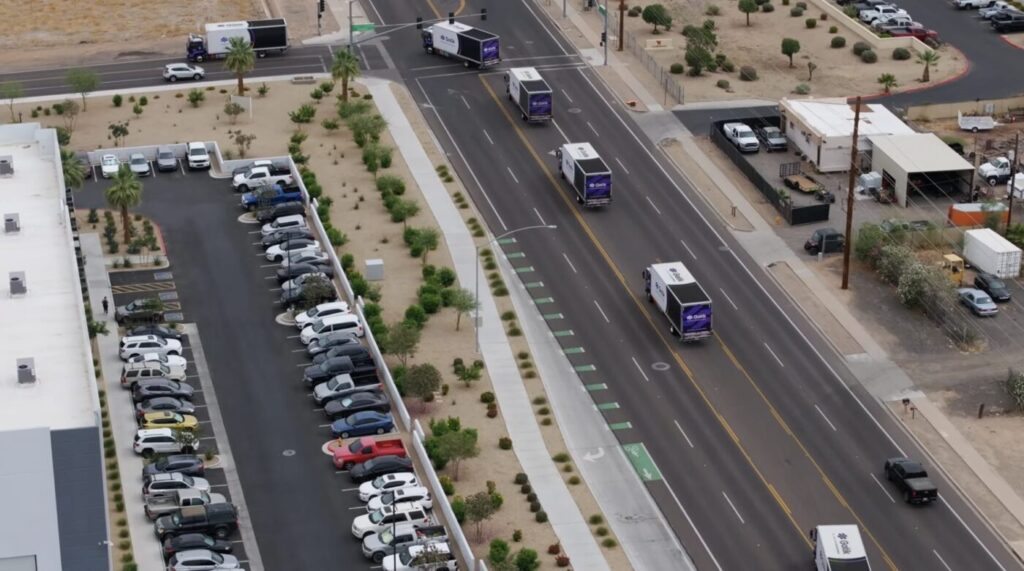
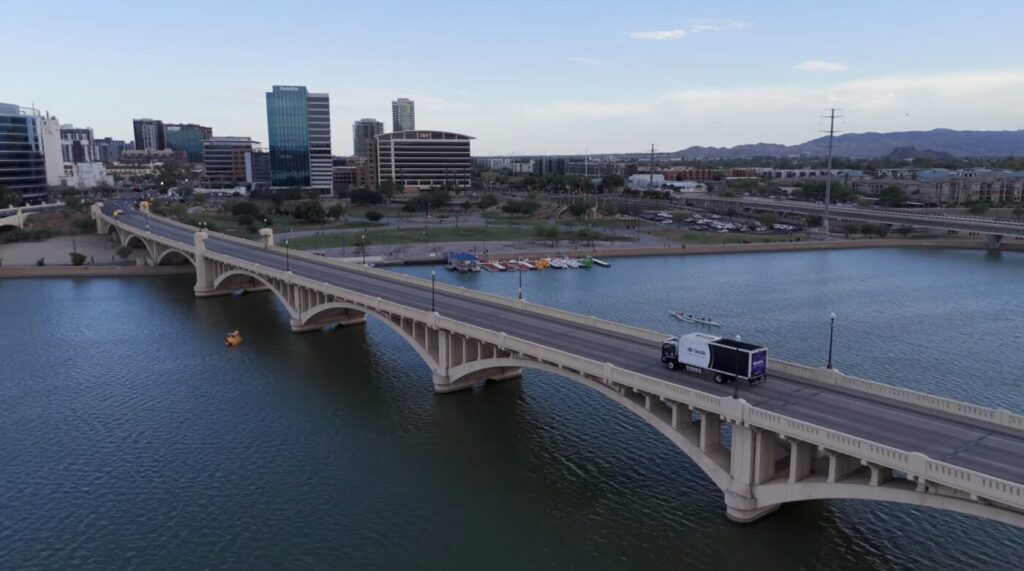
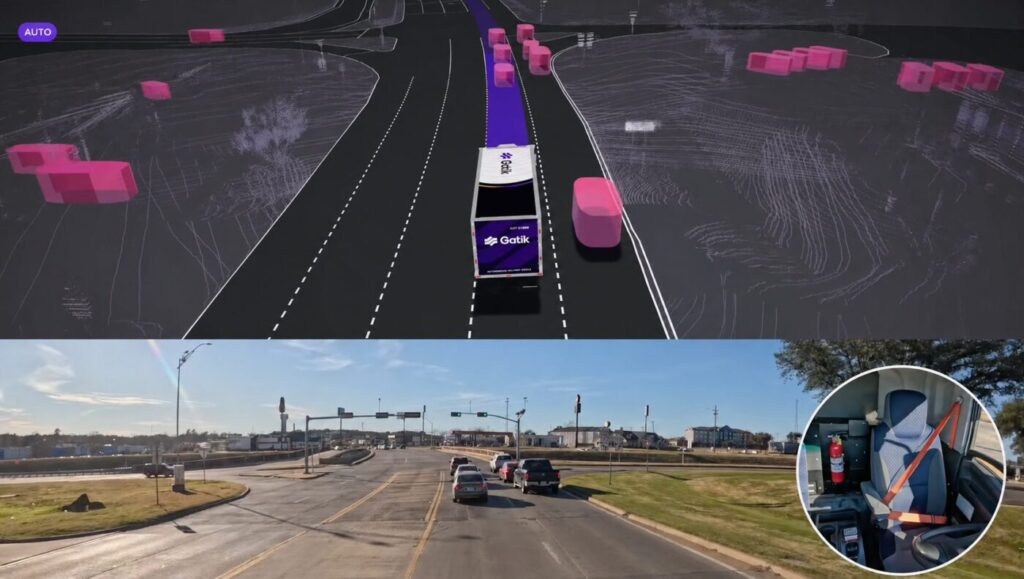
The Wall Street Journal reported Monday that PepsiCo is operating 41 autonomous trucks on public roads in Arizona, Texas and Arkansas, including 35 in Arizona alone. The trucks, built with technology from Gatik, are moving PepsiCo products between plants, warehouses and stores such as Walmart and Dollar General. In Arizona, a 26,000-pound box truck can leave a Frito-Lay facility with Doritos and Cheetos on board and drive a short route with no one at the wheel.
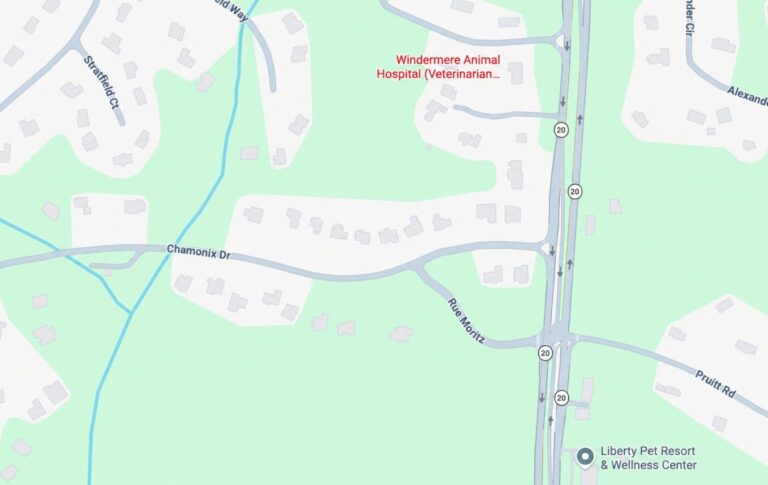
That may sound far from Medlock Bridge Road, Windward Parkway or Peachtree Industrial Boulevard. It is not as far as it feels. Phoenix is about 1,870 driving miles from Johns Creek when measured through Atlanta. But the more important number is Arkansas. Using Little Rock as a central reference point, the nearest confirmed state with a PepsiCo driverless truck is roughly 550 miles from Johns Creek.
In freight terms, that is not another world. That is a long day’s drive.
Why This Matters Here
The first driverless trucks most suburban residents see are unlikely to be giant 18-wheelers barreling down GA-400. The more realistic early version is quieter and more ordinary: a medium-duty box truck making the same route every day between a warehouse and a store.
That is exactly the kind of driving pattern Gatik specializes in. The company calls it the “middle mile,” the repetitive stretch between distribution centers, storage facilities and retail locations. This is not a robotaxi trying to understand every possible street in America. It is a truck trained around predictable commercial routes, loading docks, traffic lights, turn lanes and delivery windows.
That model fits the Atlanta suburbs more naturally than many people might expect. North Fulton, South Forsyth and Gwinnett are full of repeated supply routes: beverages to gas stations, snacks to grocery stores, packaged goods to dollar stores, paper products to big-box retailers, and restaurant supplies to shopping centers. Much of that movement happens behind the scenes, before shoppers ever notice whether a shelf is full or empty.
The region already has PepsiCo and Frito-Lay supply-chain activity across metro Atlanta, including facilities in Stone Mountain, Decatur and southwest Atlanta. From Johns Creek and nearby suburbs, those sites are generally within a manageable metro drive, depending on traffic and time of day. Suwanee, Alpharetta, Cumming and Peachtree Corners sit inside the kind of short-haul suburban delivery geography that autonomous freight companies like to describe.
That does not mean driverless PepsiCo trucks are coming here next month. There is no confirmed local launch date. But it does mean the operating logic is already nearby: warehouse to store, same roads, same turns, same dock, again and again.
Georgia Is Not Starting From Zero
Georgia is not one of those states where autonomous vehicles are legally impossible. State law already allows a fully autonomous vehicle to operate without a human driver if the vehicle meets required safety, compliance and registration conditions. That does not guarantee an immediate rollout, but it removes one major barrier.
The bigger question is commercial appetite. PepsiCo’s early use case is attractive because it does not depend on consumers accepting a driverless taxi. It depends on whether a truck can make repeatable deliveries on time, lower operating pressure and help companies move more product with fewer available drivers.
PepsiCo told the Journal that driverless trucks can free some workers to spend more time at stores and less time behind the wheel. That is the company’s preferred framing. The harder reality is also clear: if the technology works, companies will eventually need fewer drivers for certain routes.
That matters in a region where logistics, delivery, merchandising and warehouse work are part of the middle-class employment base. A driverless truck does not eliminate all human labor. Someone still loads the truck. Someone still receives the shipment. Someone maintains the vehicle, manages the system, handles exceptions and deals with the store. But the job mix changes.
For suburban families, the question is not only whether the truck is safe. It is whether this new logistics model makes life easier without quietly thinning out the kinds of steady jobs that have long supported the retail economy around us.
If you’ve been following growth and change around here, these stories are worth a look too.
Follow this story
Keep me updated
North Atlanta Star will email you when an editor approves a follow-up to Driverless Doritos Trucks Are Now About 550 Miles From Here.
Story updates only. No newsletter signup.
About the Author


In North Atlanta
The $4 Labor Day: Why Sun Belt Families Are Feeling the Gas-Price Surge So Differently
5 Coffee Trucks and Mobile Cafés Worth Finding Around North Atlanta

North Atlanta Added 11,000 Residents, but the Growth Is Concentrated in Three Cities
North Atlanta’s Job Market Splits as Health Care Grows and Office Work Shrinks
What North Atlanta Should Know Today. Friday, Sept. 11, 2026

What North Atlanta’s No-Degree Jobs Actually Pay
IN NORTH ATLANTA